
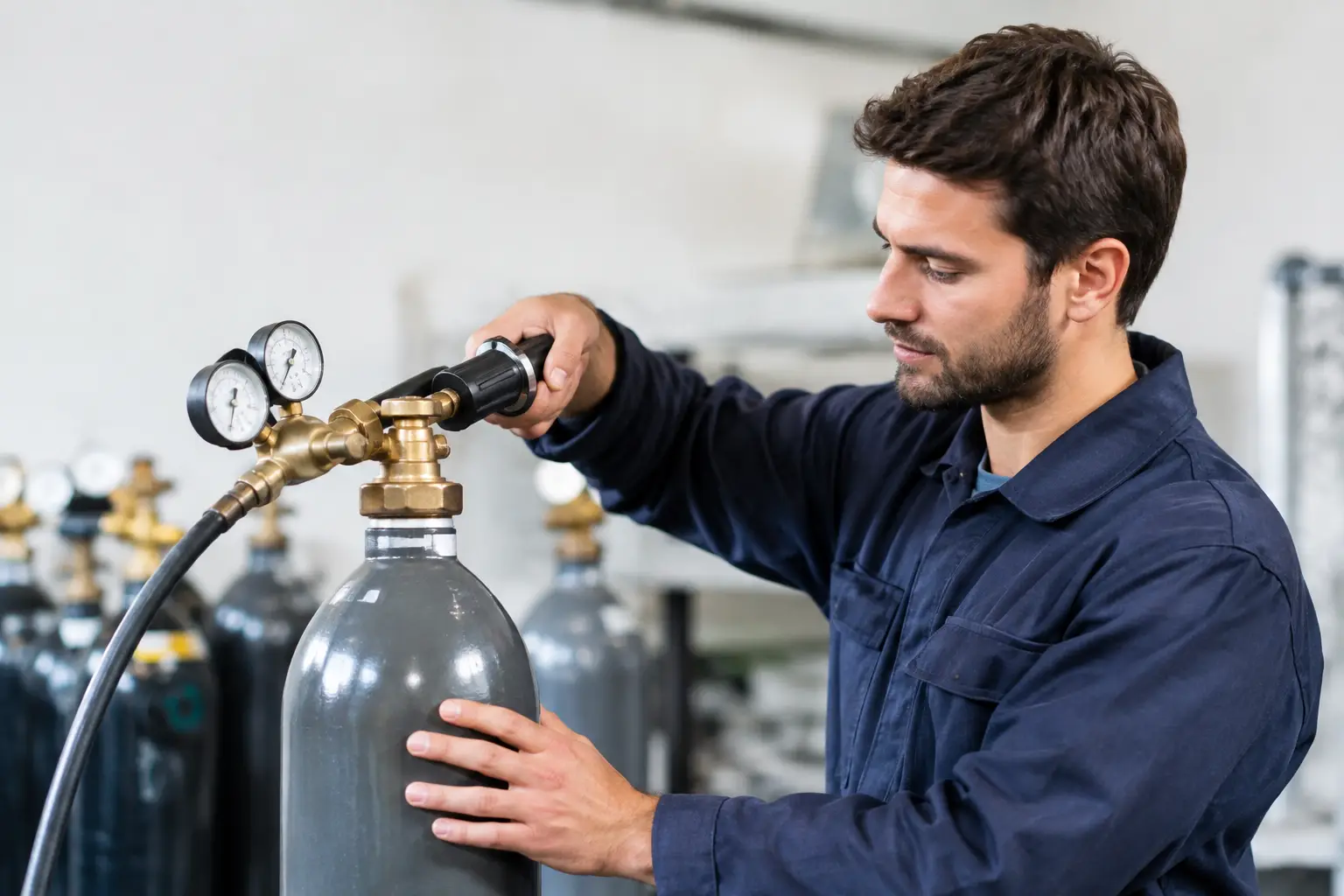
A dead HPA tank can turn a planned game day into a gear-check session in the parking lot. If you are searching for an hpa tank refill near me, the closest place is not always the right place. Your air system needs to be filled to the correct pressure, inspected for obvious problems, and handled by someone who understands paintball and airsoft equipment.
For Central Florida players, a little planning goes a long way. Know what tank you own, check its hydro date before you leave home, and call ahead to confirm that the shop or field can fill your specific bottle. That five-minute check is better than showing up with a 4,500 PSI tank at a location that only fills to 3,000 PSI.
What to Look for in an HPA Tank Refill Near Me
The best refill location is one that regularly works with paintball or airsoft HPA systems. Paintball pro shops, established paintball fields, and specialty air-system providers are usually the strongest options because they understand fill stations, tank ratings, burst disks, regulators, and hydrostatic testing requirements.
A good fill is not just about putting air in the bottle. The operator should confirm the tank is within hydro, look for damage that could make it unsafe to fill, and fill it only to its marked working pressure. If a location is willing to fill a questionable tank without looking at the label or condition, take that as a reason to go somewhere else.
Convenience matters, especially when you are driving from Melbourne, Cocoa Beach, Palm Bay, Orlando, or Daytona Beach for a weekend game. But dependable air matters more. A nearby field may be perfect for game-day top-offs, while a local pro shop can be the better choice when you need help diagnosing a leak, replacing a damaged regulator, or selecting a tank that actually fits your setup.
Call Before You Drive
Not every business that sells paintball equipment runs an active fill station every day, and field schedules can change. Before heading out, ask whether they are currently filling HPA tanks, what their maximum fill pressure is, and whether they accept the size and type of tank you have.
If you run a 4,500 PSI carbon-fiber bottle, this question matters. A 3,000 PSI fill will still work, but it gives you less usable air and fewer shots before your pressure drops. That may be fine for a quick practice session. It is not ideal if you are preparing for a long scenario game or tournament day.
Also ask whether the business requires tanks to be empty before service, whether fills are available during all business hours, and whether they can inspect or service a tank with a suspected leak. Clear answers are a good sign that the staff knows the equipment.
Check Your Tank Before You Get It Filled
Your tank label tells the fill operator what they need to know. Find the marked service pressure first. Most paintball and airsoft bottles are rated for either 3,000 PSI or 4,500 PSI. Never assume every tank is a 4,500 PSI bottle just because it has a carbon-fiber wrap.
Next, check the hydrostatic test date. Most HPA cylinders need periodic hydrostatic testing, commonly every five years, but the tank’s labeling and the fill station’s policy control. A tank that is out of hydro may look perfectly fine, but a responsible operator should not fill it. Composite bottles also have a manufacturer-stated service life, so check that date as well.
Give the bottle a close visual inspection before loading it into the car. Look for deep cuts, gouges, soft spots, lifted fiber, severe scratches, corrosion around the neck, or damage to the regulator and burst disks. Do not try to cover damage with a tank cover and hope for the best. A cover protects a good tank from routine wear. It does not repair a compromised one.
For airsoft players, inspect your regulator, line, and fittings too. A full tank will not help if your regulator is leaking or your line disconnect has a damaged O-ring. Paintball players should check that the tank threads are clean and that the regulator screws into the marker smoothly. Cross-threading a tank or forcing a damaged ASA can create a much more expensive problem than a missed refill.
3,000 PSI vs. 4,500 PSI: Does It Matter?
It depends on how you play and what your gear needs. A 3,000 PSI aluminum tank is generally more affordable and can be a solid option for casual paintball players, younger players, or anyone building a dependable starter setup. It is also widely supported by fill stations.
A 4,500 PSI carbon-fiber tank holds more air in a lighter package for its capacity, making it popular with frequent paintball players and HPA airsoft users. The trade-off is cost. Carbon-fiber bottles cost more upfront, require the same attention to hydro dates, and can be damaged by careless storage or hard impacts.
More pressure in the bottle does not mean you should change your marker or airsoft regulator settings. Your tank regulator and secondary regulator control the pressure delivered to the equipment. Fill pressure is the stored air capacity. Output pressure is a separate setup issue, and it needs to match the requirements of your marker, engine, or regulator.
If you are unsure whether your setup needs a standard-output tank, a low-pressure option, or a particular regulator arrangement, get eyes on the equipment before buying parts. An honest recommendation can keep you from purchasing a tank or regulator that creates compatibility headaches.
Avoid These HPA Refill Mistakes
The most common mistake is waiting until game morning to think about air. Fill your tank a day or two before an event, then check the gauge later for pressure loss. If the pressure drops while the tank is sitting untouched, you may have a regulator, burst disk, or O-ring issue that needs attention.
Another mistake is leaving a full tank in a hot vehicle. Florida heat is hard on gear, and compressed-air cylinders should not live in a parked car, direct sun, or an unsecured trunk. Store your tank in a cool, dry place where it cannot roll around or get hit by heavy equipment.
Do not use oils, lubricants, thread sealants, or random hardware-store fittings on an HPA tank unless they are specifically rated for the application. High-pressure air systems are not a place for improvised repairs. If a burst disk is damaged, a regulator is leaking, or the gauge is cracked, have the issue assessed by someone qualified to service that component.
Finally, do not confuse CO2 service with HPA service. They are different systems with different pressures, hardware, and handling requirements. If you own both types of tanks, label your gear bag clearly and make sure you bring the right tank for the marker or airsoft setup you plan to use.
When a Refill Problem Is Really a Gear Problem
Sometimes the fill station is not the issue. A tank that seems to empty too quickly may have a slow leak. A marker that stops cycling with plenty of air left could have a mechanical issue, a regulator problem, or a setup that is not balanced correctly. Airsoft HPA builds can show similar symptoms when the regulator pressure, dwell settings, battery, and engine settings are working against each other.
This is where a specialty pro shop earns its place over a generic retail counter. Combat Zone Sports has supported Central Florida airsoft and paintball players since 2003 with gear guidance, repairs, upgrades, and the practical answers that help prevent repeat problems. Bring the full setup when possible, not just the tank. Seeing the marker, regulator, line, and fittings together makes it much easier to spot what is actually going wrong.
A reliable air supply starts with a safe tank, but it ends with gear that is ready to play. Check your hydro date, confirm the fill station before you drive, and give yourself enough time to fix a problem before the first game starts.